
We Are All the Same
Outside the walls of Horsh Beirut

If you happen to pass by Horsh Beirut park on any given afternoon these days, you’ll find hundreds of people gathered at the gates.
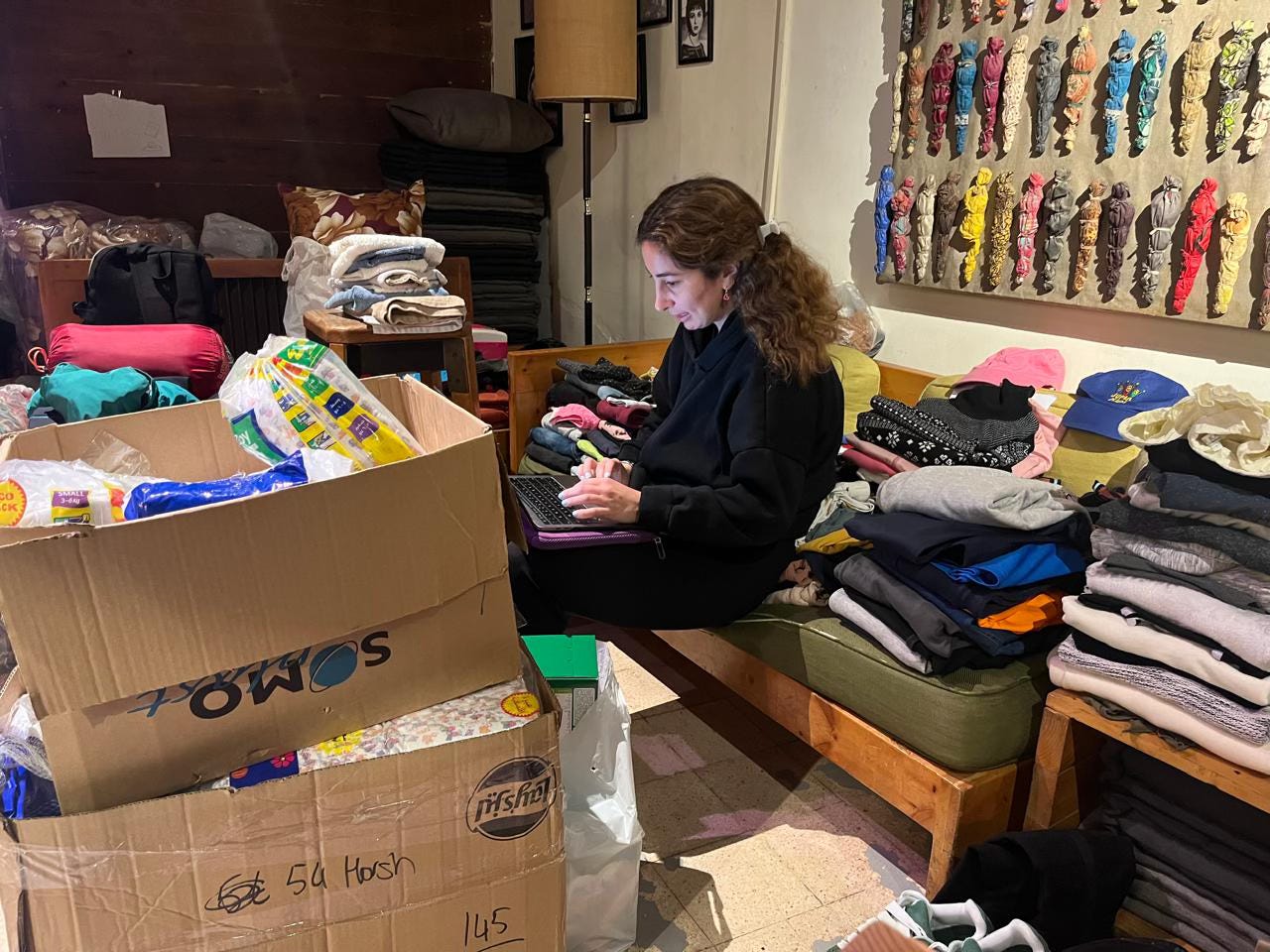
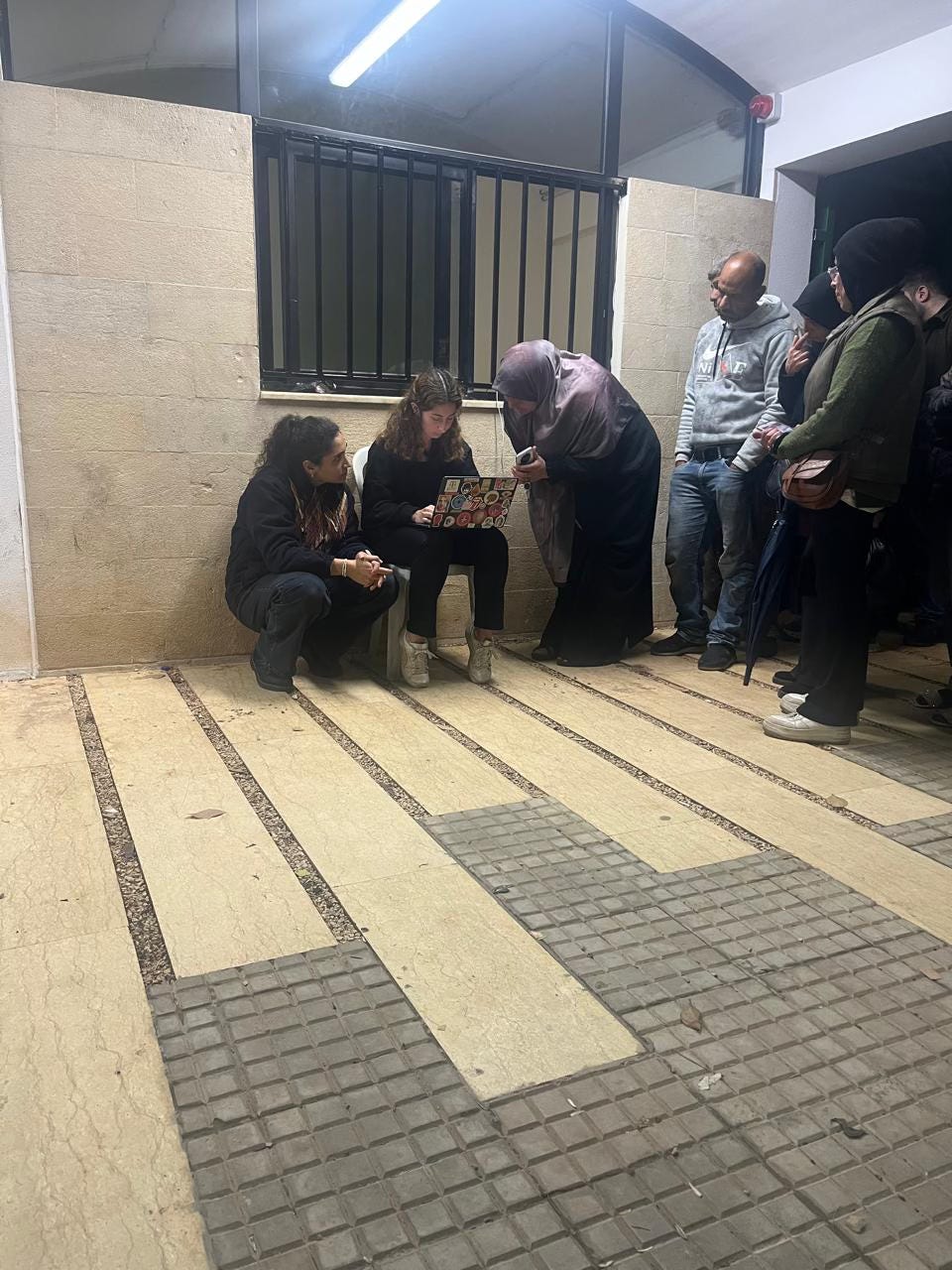
Behind them you’ll see a woman with curly brown hair, hunched over a laptop. Around her will be boxes of packaged meals, bags of clothes, diapers and menstrual pads.
Behind all that, you’ll see the gates of the park itself. Covering 0.3 km², Horsh, which could be called Beirut’s Central Park, is filled with grass and tree-lined paths. It’s an ideal place, if you could ever use that term, where displaced people could camp during a war, which is what happened in 2024.
This year, it’s empty.
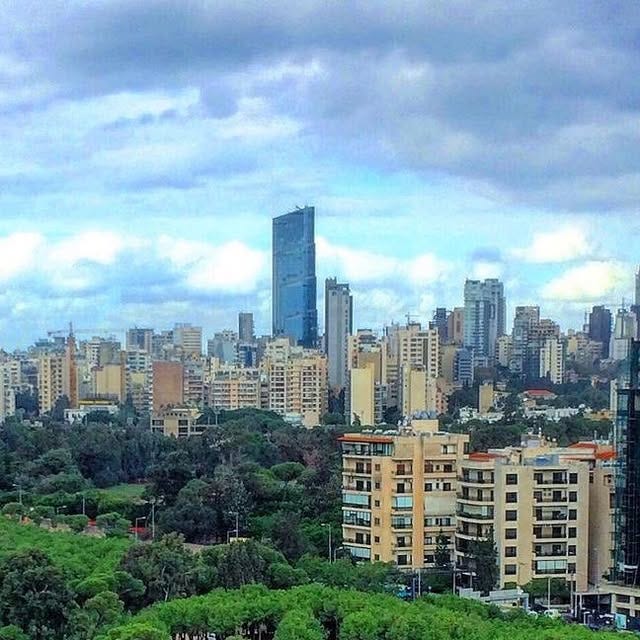
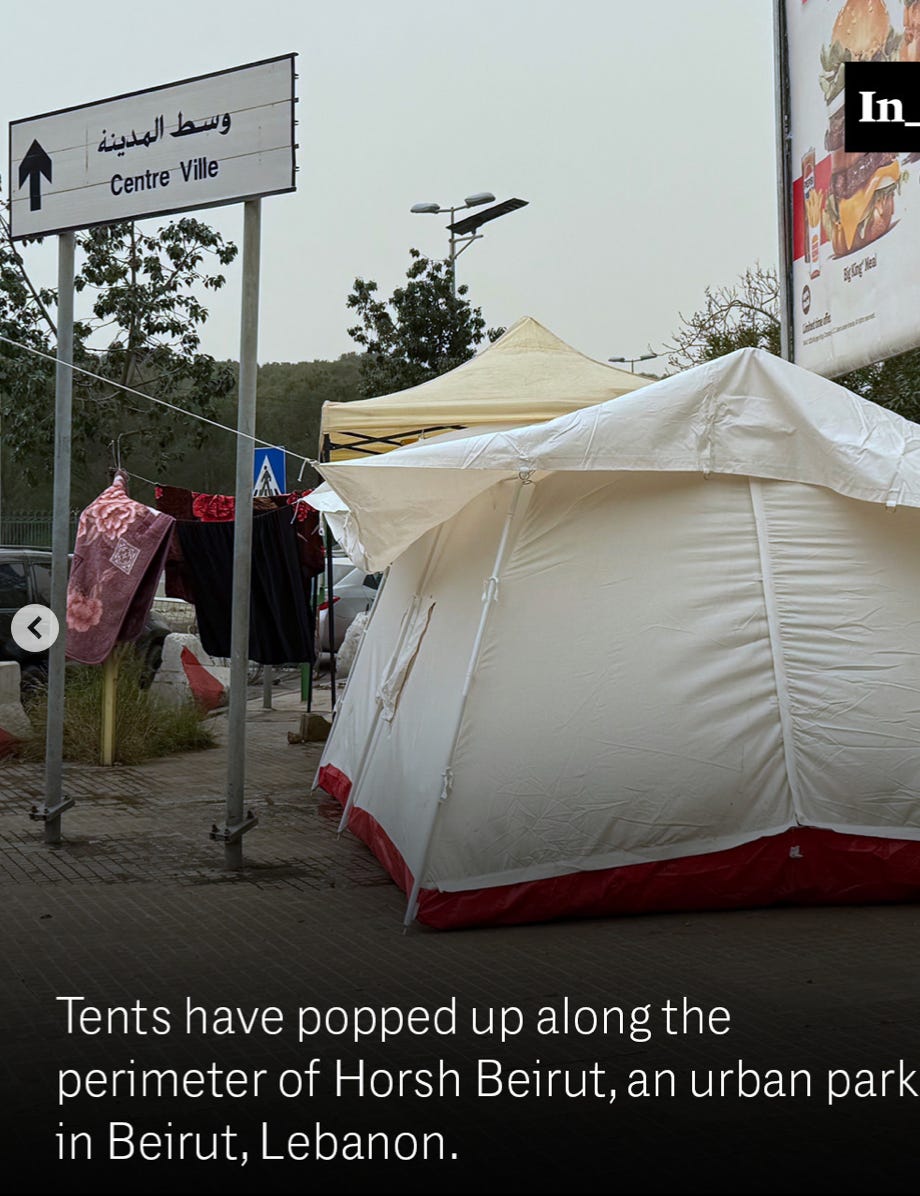
Until the time of this writing, the mayor of Beirut won’t allow displaced people to camp inside the park, citing “safety issues”. Which is why you’ll see an endless row of tents on the sidewalk around its perimeter, with tarps over them to protect from the torrential rain. Horsh is within reach from the rest of the city, and for some people who live day to day and still need to commute to their daily jobs, it’s the only option. The sidewalk tent city currently houses about 1000 people.
Although last week, in many cases, there weren’t even tents. Just mattresses, on concrete. And rain.
The curly-haired woman with the laptop is Yara Sayegh. During the 2024 war, Yara saw that neither the Lebanese government nor any political party were helping the displaced people camping inside Horsh Beirut, so Truth Be Told, the organization she founded, stepped in.
“They weren’t even allowing people to use the park’s bathrooms,” Yara explains. “So I paid for the water to be turned on. Thankfully the bathrooms are open this year, but there are no showers in them, just toilets and sinks. People shower only once a week or once every two weeks, some of them only when they take the risk to return to their homes in Dahiye.”
Yara knows all of this because she is at Horsh every single day. After gathering cooking supplies, she drives to Riwaq Cafe, Truth Be Told’s current unofficial headquarters, where she joins volunteers preparing, cooking, and packaging food and supplies. Then she loads everything into her car (sometimes taking two or three trips to get it all) and transports it over to the park. There, she spends at least three hours making sure every family—whom she knows by name, age of children, and often medical needs—gets diapers, clothing in the right size, and medication (if there are funds for it), as well as the hot meals. She records it all in her database on the laptop, drives back to Riwaq, tracks everything, makes invoices for every single donation, and prepares what’s needed for the next day, sometimes until 3 or 4am. Then she wakes up and does it all over again, with no breaks or weekends, and for no pay.
“I have this belief in life,” she tells me. “I want every person I look at to know that I see them. If I was ever in such a condition, I would hope somebody would look at me. We don’t see each other anymore. We don’t acknowledge that we’re all the same. We’re all humans.”
On Monday, I join Yara and some other volunteers in Horsh Beirut. We pack up two cars with bags of clothes, menstrual pads, and diapers that had been labelled for each family by number, along with the close to 400 meals we cooked that day.
We pull up at the front of the park, and the guard grins and waves us in.
Yara gets out of her car and is immediately mobbed.
We distributed the food first, which, for some, is the only meal they will get today. Then, Yara begins to call out names. A gentleman in a beige shirt echoes each name across the crowd, and then others re-echo it further in case the person in question didn’t hear. People mill around with red-rimmed eyes and tired faces. One man, holding a crying child, is clearly just back from his construction job. Another volunteer, Rindala, and I chat with some people waiting to pick up supplies, Rindala translating everything.
“We are not street dogs,” one woman tells us, quietly. “We’re like you. I have a degree. My husband has a master’s degree. My children are in university abroad. We want to be treated with respect.” She pauses and gazes at the group. “We are so grateful for Yara.”
A petite woman with a ponytail sidles up to us and grins. Rindala explains to her that I’m writing a story about life at Horsh and Yara’s work, and asks if she’d like to chat with us.
“Come,” she says, motioning, and steers us down the street.
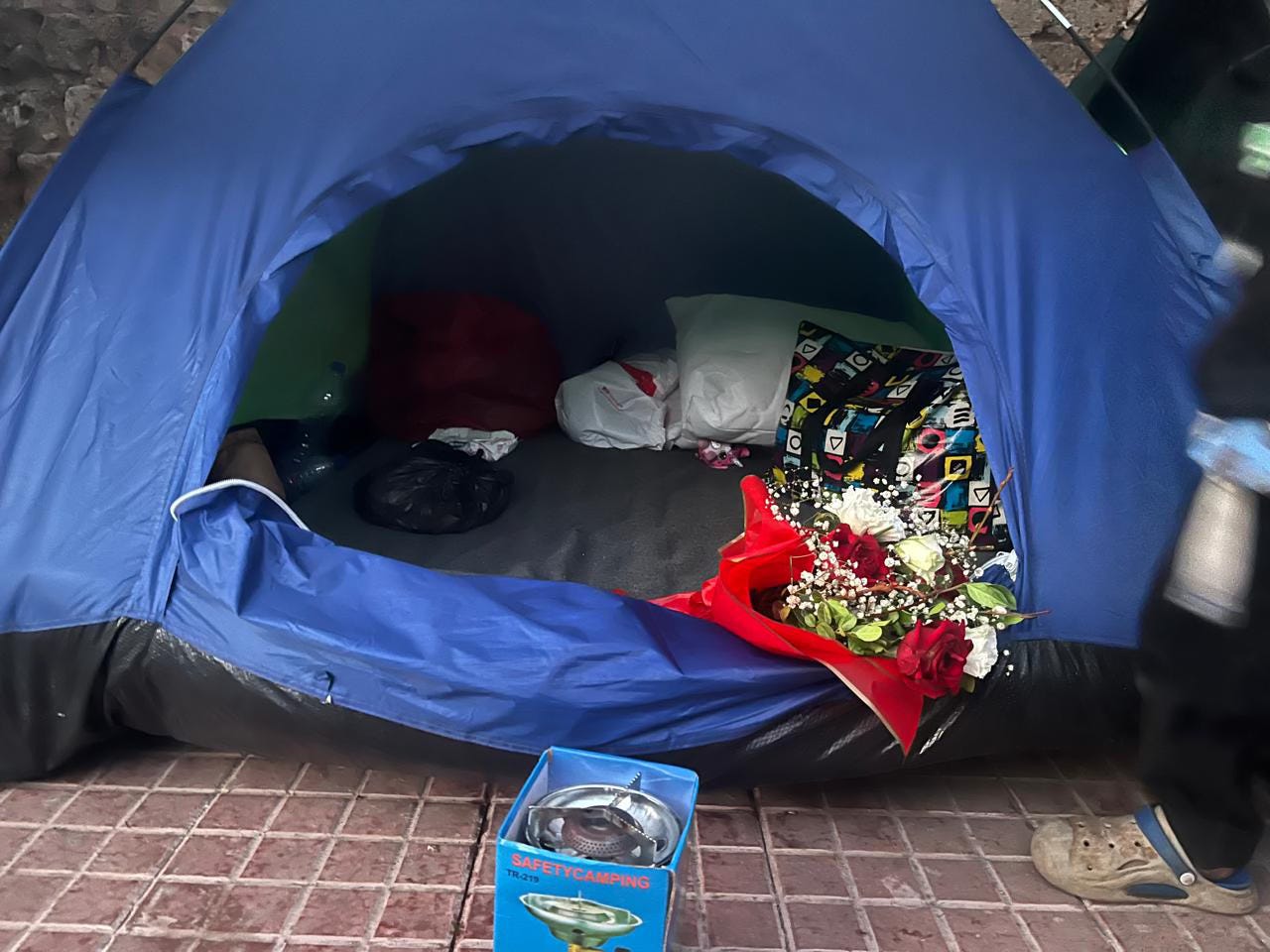
We follow her across a busy 4-lane road, then along a sidewalk lined with tents and tarps, passing a wheelchair, a man in prayer on a rug, a makeshift vegetable shop. It takes a few minutes of walking to reach a small, navy blue tent, from which a tiny woman draped in black emerges.
“My mother,” our host explains.
The woman in black grasps both our hands, her smile a mirror of her daughter’s.
“Habibti, habibti,” she says to us. “May God bless you.”
The daughter tells us they’re originally from Jbeil, but live in Dahiye. They were evacuated in the last war, too. In her normal life, the daughter says, she’s a teacher.
“Biology, physics, chemistry, math,” she says in English, proudly. “If the schools stay closed, I will teach the kids here for free.”
She explains that they try to fill their days, playing soccer with the kids, meeting people and making new friends.
“We can’t keep crying,” she tells us. “We have to stay strong until it’s over.”
She insists we take some date cookies (maamoul) from a box in their tent. Two preteen girls and a little boy crowd around us, asking our names in Arabic and English.
“This tent,” our host tells us, “is from Yara. She gave us blankets and medication, too. She’s helped every single person here. When we have more than we need, we share it.”
One of the girls shows me a bottle of nail polish. I think she wants me to paint her nails, but after miming and hand gestures, I realize she wants to paint mine. I shake my head apologetically, explaining that they will get ruined as I work.
The woman explains that her aunt is in the US, and would have brought her over, but she didn’t want to leave Lebanon.
“This is my country,” she says. “There’s still a lot of love between people here.”
The ladies ask where I’m from, and when Rindala explains that I’m half Lebanese, all of them, including the kids, break into a cheer.
Something else Yara said, when I asked her what motives her: “This is what I hope to build in this country. We belong to Lebanon.”
It starts to drizzle again.
I ask Rindala to tell the woman that it was her smile that caught our attention. She lights up, and says she felt the same about us. We hug, and one of the young girls exclaims something and points upwards. We turn to look.
Hanging low in the sky, a sliver of a crescent moon.
Our host tells Rindala and I, who both tower over her by more than a foot, that she’ll walk us back to the park gates, “So you’re safe”.
As we leave, one of the girls shouts after us. I’m not sure what she’s trying to express, but what she says is,
“I am love! I am love!”
We wave back at her until she’s out of sight.
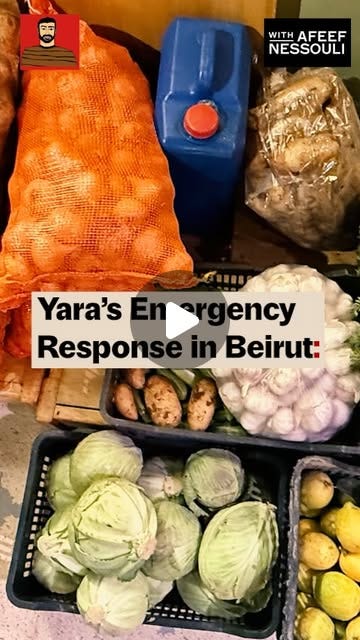
Below are two videos about Horsh Beirut’s current situation and the work Yara and Truth Be Told are doing. Please, if you haven’t already and are able to support, contact me to donate by Wise/direct deposit, or donate directly through Truth Be Told (all their info is on their Instagram page, if you don’t have Instagram message me and I’ll send it to you!) If you want to donate with a credit card via this substack, please click the donate button below.
I'm thinking of you, stay safe while you bear witness. x
Sending coffee and love!